Planning Ahead: Why an Emergency Fund Matters More Than You Think
Life rarely gives notice.
A sudden expense.
A pause in income.
Something small—but enough to shift everything.
It doesn’t have to be dramatic
to disrupt your stability.
That’s why financial planning isn’t just about growing money.
It’s about creating space
for uncertainty.
🟩 What Is an Emergency Fund?
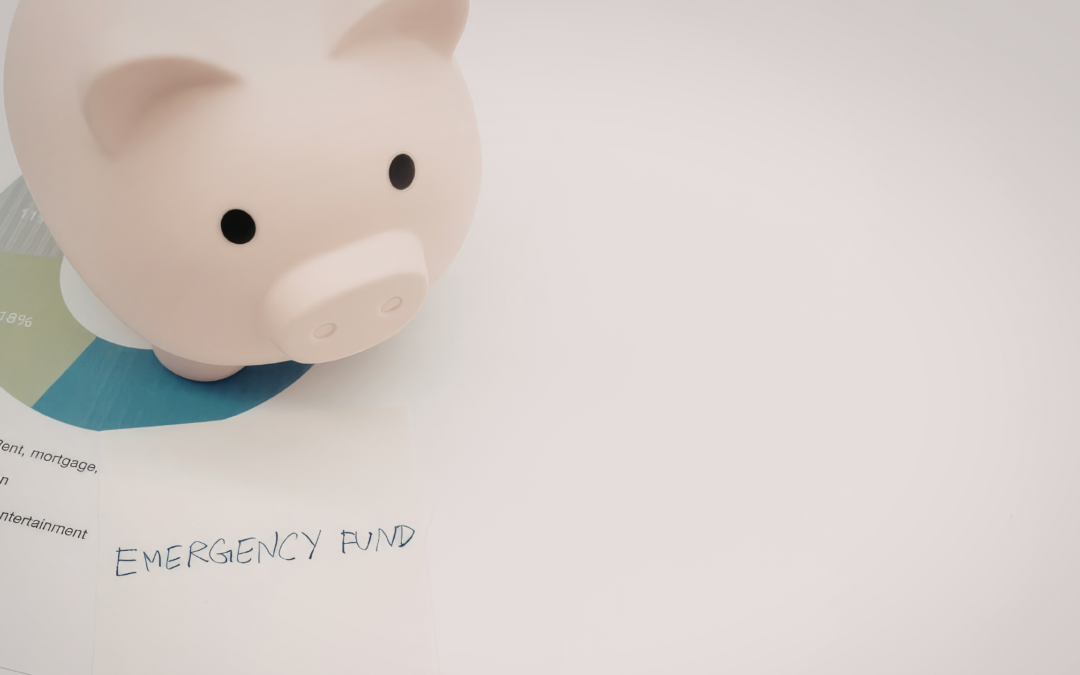
An emergency fund is money you set aside
for things you didn’t plan for.
Not for:
- shopping
- upgrades
- planned purchases
But for:
- medical costs
- urgent repairs
- temporary income gaps
It acts as a buffer—
something that keeps your day-to-day life steady
even when something changes.
🟩 Why It Matters
Without an emergency fund,
even small disruptions can turn into bigger pressure.
You might:
- rely on credit
- delay important decisions
- carry constant “what if” stress
With one, things feel different.
Not perfect—
just more manageable.
You have a bit more control.
A bit more space to think.
🟩 How Much Should You Save?
A common guideline is:
3 to 6 months of essential expenses
But this doesn’t have to happen all at once.
What matters more is:
- starting
- staying consistent
- building gradually
🟩 A Simple Way to Estimate It
You don’t need anything complicated.
Just start here.
Emergency Fund Calculator
🟢 Step 1: Know Your Monthly Essentials
Think about what you need, not everything you spend.
This usually includes:
- rent or mortgage
- food
- utilities
- transportation
- basic bills
Monthly Essentials = ₱ ______
🟢 Step 2: Choose Your Coverage
- 3 months → a basic safety net
- 6 months → more stability
🟢 Step 3: Estimate Your Target
Emergency Fund = Monthly Essentials × Number of Months
💡 Example
If your essentials are ₱20,000/month:
3 months → ₱60,000
6 months → ₱120,000This isn’t a deadline.
It’s just a direction.
🟩 A Different Way to Think About It
You don’t need to complete your emergency fund
to benefit from it.
Even small amounts—
₱5,000
₱10,000
already change your situation.
They reduce pressure.
They give you options.
🟩 Where to Keep It
Your emergency fund should be:
- easy to access
- separate from daily spending
- not tied to risk (like investments)
Simple accounts work best.
The goal isn’t growth—
it’s stability.
Planning ahead doesn’t mean expecting the worst.
It just means giving yourself space to handle it—
if it happens.
And sometimes,
that space makes all the difference.