The Heavy Emotional Weight of an Empty Go-Bag
Following recent earthquake activity, searches for terms like "go bag essentials," "earthquake preparedness," and "emergency kit" have surged across the Philippines.
That makes sense.
When people think about earthquake preparedness, they often think about supplies.
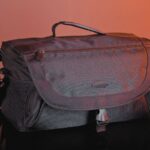
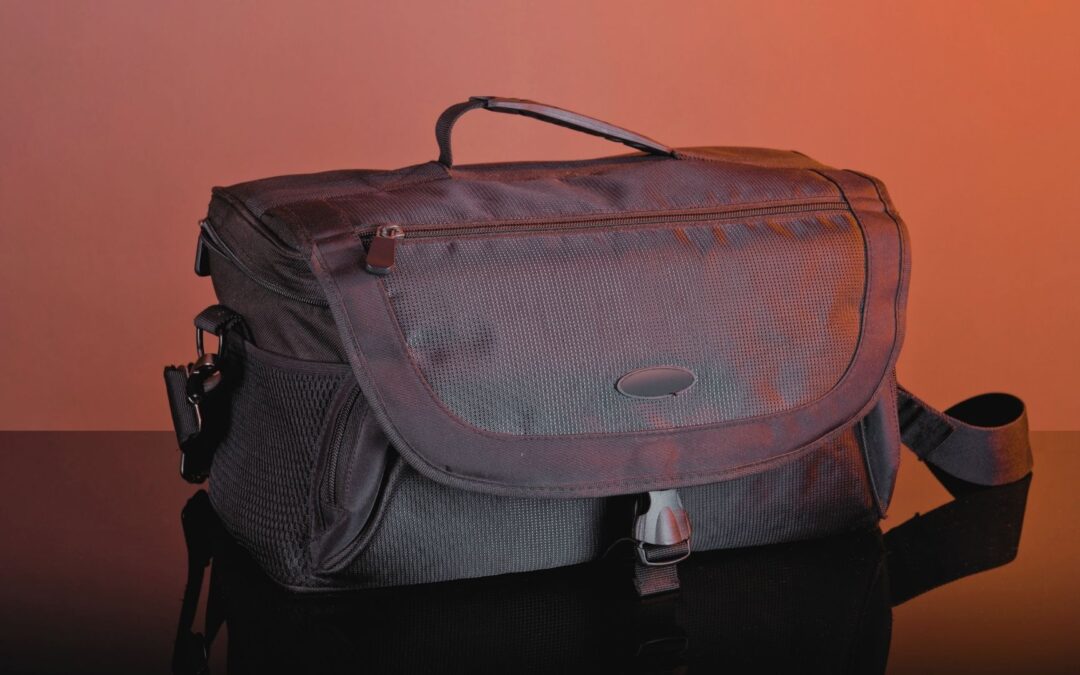
A go-bag.
Bottled water.
Flashlights.
Extra food.
Something they can reach for when everything else feels uncertain.
When the ground moves, people want something they can control.
For many of us, that control is supposed to fit inside a backpack.
After the shaking stops, your eyes often drift to the same place.
A corner of the room.
A shelf.
Under a desk.
Wherever you've been meaning to keep a go-bag.
For many people, it's sitting there right now.
Empty.
After every major earthquake, preparedness advice begins circulating almost immediately.
Pack water.
Pack food.
Pack medicine.
Pack flashlights.
Pack batteries.
Pack cash.
Most emergency preparedness checklists look similar.
And honestly, the advice is good.
But looking at an empty backpack doesn't always make people feel safer.
Sometimes it just makes them feel guilty.
Because the problem isn't always knowing what to do.
Sometimes the problem is knowing exactly what to do—and not being able to afford it.
When every peso already has a purpose before it reaches your account, earthquake preparedness feels different.
Rent.
Electricity.
Food.
Transportation.
School expenses.
Unexpected bills.
The idea of setting aside extra supplies can start to feel less like preparation and more like a luxury.
You walk through a grocery store knowing you should probably buy an extra bottle of water.
An extra can of food.
Something for the future.
But the future isn't standing at the checkout counter with you.
Today's expenses are.
So you put the item back.
And somehow the empty go-bag feels heavier than before.
A lot of preparedness advice assumes people have room in their budget.
Many don't.
Not because they're irresponsible.
Not because they don't care.
But because they're already stretching their income as far as it can go.
This is where preparedness becomes more than a disaster conversation.
It becomes a financial one.
And for many families, that conversation feels impossible.
That's why building financial stability can feel overwhelming in the first place.
Traditional advice often tells people to save more, prepare more, and buy more.
But when the cost of living keeps rising while income stays the same, those solutions don't always match reality.
Sometimes we treat preparedness as a discipline problem.
As if everyone simply needs to plan better.
Save more.
Be more organized.
But there is a difference between being unprepared and being financially constrained.
Those are not the same thing.
And confusing them often creates shame where there shouldn't be any.
Research has consistently shown that financial stress is closely linked to anxiety, emotional strain, and reduced wellbeing.
That connection matters.
Because what many people are carrying isn't just an empty backpack.
It's the emotional weight that comes with it.
The feeling that you should be doing more.
The feeling that you're falling behind.
The feeling that you're failing at something important.
But perhaps the problem isn't you.
Perhaps the problem is that you're trying to build a safety net while already balancing the demands of everyday survival.
If you can't build the perfect go-bag today, that doesn't mean you've failed.
Preparation doesn't only come in the form of things you can buy.
You can learn your evacuation routes.
You can identify safe areas in your home.
You can discuss emergency plans with your family.
You can understand official earthquake preparedness guidance.
Those things matter too.
And they cost nothing.
Sometimes clarity comes from focusing on what you can do instead of everything you can't.
We cannot control when the ground moves.
And we cannot instantly solve the financial pressures many families are carrying.
But we can stop treating every empty go-bag as evidence of personal failure.
Sometimes the most honest form of preparedness is simply doing what you can with what you have.
And sometimes, surviving today is already enough.